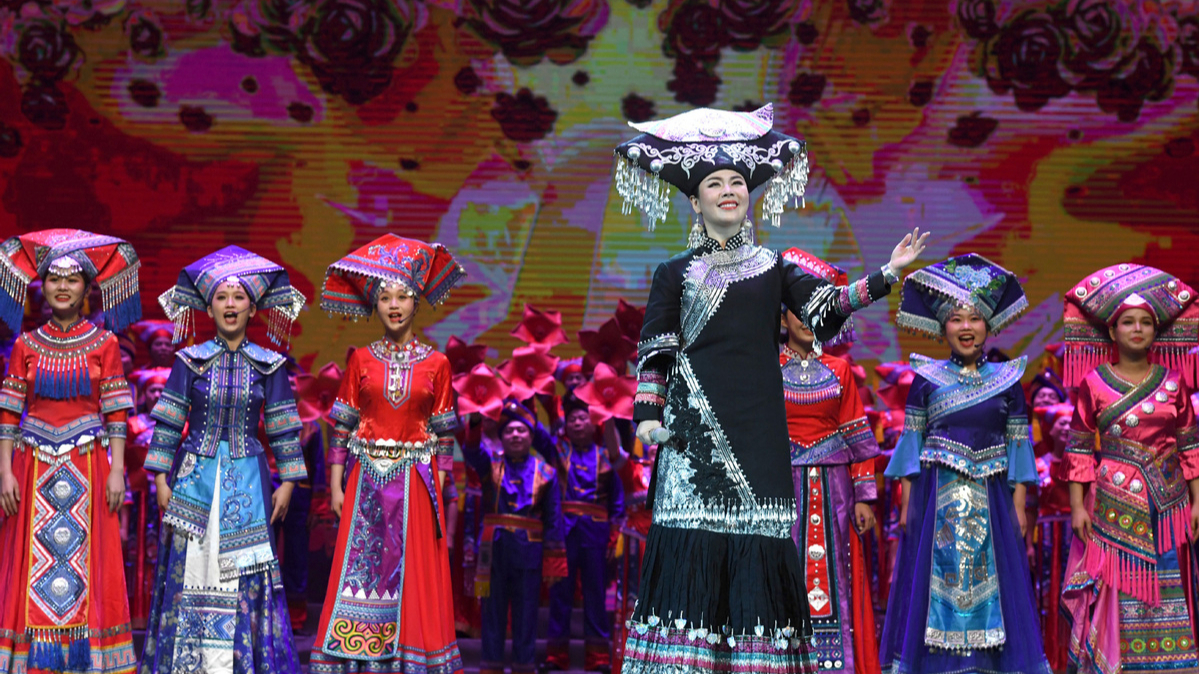
Costume of Zhuang Ethnic Group
Introduction
The Costume of the Zhuang Ethnic Group is an integral part of their cultural identity, representing the rich heritage and traditions of the Zhuang people, who predominantly reside in the Guangxi Zhuang autonomous region. As one of China's largest ethnic groups, the Zhuang people have developed a distinct sartorial style that reflects their history, geographical setting, and cultural values. The costumes are characterized by their vibrant colors, intricate embroidery, and the use of unique materials that are indigenous to their region. These traditional garments are not merely clothing but are imbued with symbolism and meaning that has been passed down through generations.
Types of Costumes
Traditional Costumes
Traditional Zhuang costumes are notable for their vibrant colors and sophisticated designs. They are typically handmade and feature intricate embroidery work on cotton or silk fabrics. Men's traditional attire usually includes a tunic and loose trousers, often in dark colors, adorned with bright embroidery that depicts nature, such as flowers and animals. Women's traditional costumes are more elaborate, consisting of a jacket, a pleated skirt, and an apron, each piece heavily embroidered with symbolic patterns.
The traditional attire is not merely functional but serves as a cultural identifier, with different regions having distinct styles and patterns that signify local variations in the Zhuang community. Additionally, the type of costume worn can indicate the social status and marital status of the wearer.
Modern Adaptations
In recent years, there have been modern adaptations of traditional Zhuang costumes to cater to contemporary fashion trends while maintaining cultural elements. These adaptations can be seen in the form of modern dresses and suits that incorporate traditional embroidery and patterns but use more contemporary materials and cuts. This fusion of traditional and modern elements ensures that the cultural significance of the costumes is preserved, while also making them more accessible and appealing to younger generations.
Modern Zhuang attire is often showcased in fashion shows and cultural events, where designers strive to balance tradition with innovation, ensuring that the cultural legacy of the Zhuang people is carried forward into the future.
Materials and Craftsmanship
Fabrics Used
The choice of fabric for Zhuang costumes is crucial, as it reflects both the practicality and aesthetics valued by the Zhuang people. Traditionally, cotton and silk are the primary materials used for making these costumes. Cotton is favored for its durability and comfort, making it suitable for everyday wear, while silk is reserved for special occasions due to its luxurious texture and appearance.
The fabrics are often dyed using natural dyes derived from local plants, contributing to the vibrant colors seen in Zhuang costumes. This practice not only highlights the ingenuity of the Zhuang people but also their deep connection to their natural environment.
Embroidery Techniques
Embroidery is a defining characteristic of Zhuang costumes, showcasing the artistry and skill of Zhuang women. The techniques used in embroidery are passed down through generations, with each region having its distinctive style. Common techniques include cross-stitching, chain stitching, and satin stitching, allowing for a wide range of patterns and textures to be created.
The embroidery not only enhances the visual appeal of the costumes but also serves as a form of storytelling, with motifs and symbols conveying cultural narratives and personal stories.
Costume Accessories
In addition to the main garments, Zhuang costumes are often complemented by various accessories that enhance their beauty and cultural significance. These accessories can include silver jewelry, such as earrings, necklaces, and bracelets, which are believed to ward off evil spirits and bring good luck. Headpieces, often intricately designed and adorned with beads or tassels, are another important accessory, especially for women during festivals and ceremonies.
Footwear is also a significant component, with cloth shoes embroidered with floral patterns being a common choice. These accessories not only serve as embellishments but also as cultural markers that signify the wearer's identity and heritage.
Symbolism and Meaning
The symbolism inherent in Zhuang costumes is rich and varied, with each pattern and color holding specific meanings. The embroidery, a key feature of these costumes, often depicts elements from nature, such as plants and animals, which are believed to bring prosperity and protection. For example, the butterfly, a common motif, symbolizes transformation and freedom, while the dragon signifies power and good fortune.
Colors also play a significant role in conveying meaning within the costumes. Red, a predominant color, is associated with happiness and celebration, whereas blue represents loyalty and peace. The choice of colors and motifs is often influenced by local beliefs and customs, making each costume unique to its wearer.








